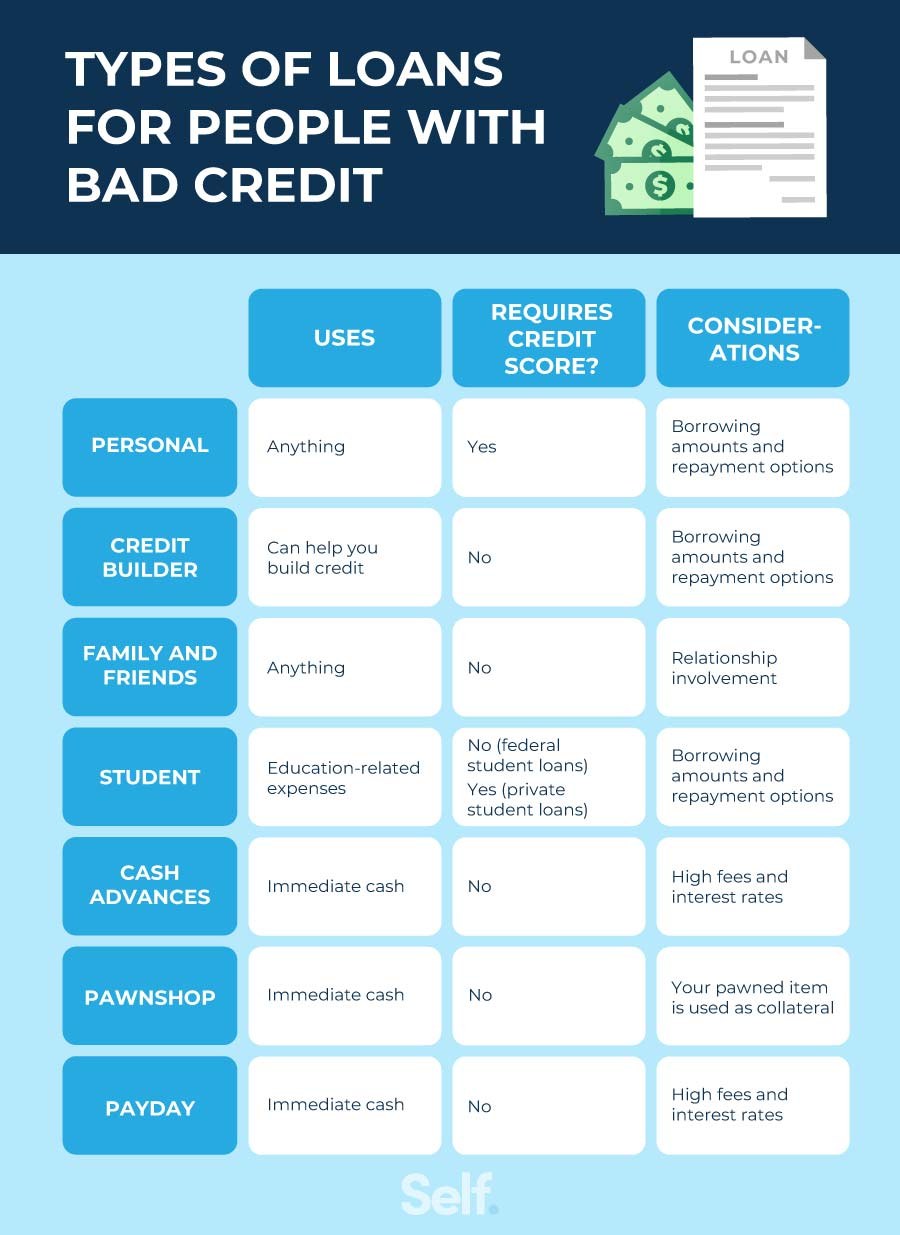
You can get a loan even with bad credit. The trick is to stop chasing big-box banks and start looking for specialized lenders who care about more than just a three-digit score. It’s entirely possible to find funding if your credit history is thin or if past mistakes have taken a bite out of your score.
How Lenders Actually Look at Your Financial Story
A lot of people think a low credit score is a dead end. I thought the same thing until I realized lenders aren’t all the same. Traditional banks are rigid; they use automated systems that trigger a “no” the second your score drops below a certain number. They want certainty, and to them, a low score is just risk.
Modern lenders have changed the math, though. Instead of obsessing over your FICO score, some look at your actual cash flow. They want to see a steady paycheck and consistent rent or utility payments. This lets people with “thin files” or past errors prove they’re reliable through how they handle money right now.
It helps to realize there’s a big difference between being a high-risk borrower and just having no credit history. If you have no history, you aren’t necessarily a bad borrower, you’re just an unknown one. Lenders like Upstart specialize in this by looking at data points beyond the standard credit report, which makes things much easier for people just starting out.
But don’t expect easy money. You’re basically paying the lender to take a risk on you. Because they’re taking a chance, they’ll often charge higher interest rates to offset the possibility that you might default. It’s a trade-off you have to weigh carefully.
The Difference Between Unsecured and Secured Loans
When you’re shopping around, you’ll see the term unsecured loans a lot. These are personal loans that don’t require collateral, like your car or your house. If you can’t pay it back, the lender can’t just seize your property, though they can still sue you or send the debt to collections.
On the flip side, secured loans require collateral. If you use your car title to get a loan and you miss payments, the lender takes the car. While secured loans are easier to get with bad credit, they are much more dangerous if you’re already struggling. For most people looking to consolidate debt or cover an emergency, an unsecured personal loan is the standard choice.
Finding the Right Lender Without Getting Burned
Not all lenders are equal, and this is where people get stuck. You’ll see ads promising “easy cash” or “no credit check,” but read the fine print. Some of those “no credit check” options are predatory loans designed to trap you in a cycle of high-interest debt. They offer quick cash, but the APR can be astronomical.
I suggest looking for lenders that offer prequalification. This is a huge advantage because you can see your estimated rate and loan amount without a “hard pull” on your credit report. A hard pull happens when a lender officially checks your credit to finalize an application, and it can temporarily lower your score. A soft pull, used for prequalification, won’t hurt you.
If you need to move fast, you might look at companies like Avant, which has a straightforward three-step online process. You apply, get a fast decision, and if you’re approved, you get your funds. They offer amounts from $2,000 to $35,000, which covers everything from a small emergency to a larger debt consolidation project.
When comparing options, keep a spreadsheet. It’s tedious, but it’s the only way to stay sane. You need to compare the total cost of the loan, not just the monthly payment. A low monthly payment looks great today, but if it’s spread over 60 months at a high interest rate, you’ll end up paying back double what you borrowed.
| Lender Type | Typical Use Case | Pros | Cons |
|---|---|---|---|
| Traditional Bank | High credit scores, established history | Lowest interest rates | Hard to qualify with bad credit |
| Online Lenders | Fast funding, varied credit profiles | Quick decisions, easy application | Higher rates than banks |
| Credit Unions | Members only, community-focused | Often more flexible terms | Requires membership/joining |
| Peer-to-Peer | People with “thin” credit files | Uses alternative data | Can have higher APRs |
You have to check the APR (Annual Percentage Rate). This number includes the interest rate plus any mandatory fees. This is the only number that tells you how expensive the loan actually is. If you’re looking at CashNowAdvance.com or similar services for quick liquidity, always check that APR first.
The Real Math of Interest and Repayment
Interest is the price of using someone else’s money today. When your credit is poor, that price goes up. You might see rates as low as 7.74%, but that’s very rare for someone with bad credit. It’s much more realistic to expect rates in the 25% to 35% range if your score is in the lower hundreds.
Let’s say you borrow $5,000. If you get a loan at 10% interest over three years, your total interest might be around $800. If your credit is poor and you end up with a 30% interest rate for the same amount and term, you’re looking at nearly $2,500 in interest. That is a massive difference in your actual cost of living.
Don’t ignore the fees, either. Some lenders charge an origination fee. This is a one-time fee taken out of your loan before you even see it. If you apply for $5,000 and there’s a 5% origination fee, you only get $4,750 in your bank account, but you still owe the full $5,000 plus interest. Always ask: “What is the total amount I will actually receive, and what is the total amount I will pay back?”
How to Use a Loan to Improve Your Score
If you use a personal loan the right way, it can actually help fix your credit. This is called “credit building.” The most common way is through debt consolidation. If you have five different credit cards with high interest rates and small limits, your credit utilization is likely sky-high. That looks terrible to lenders.
By taking out one personal loan to pay off all those cards, you lower your utilization on those revolving accounts. You turn multiple high-interest debts into one single, fixed monthly payment. If you stick to that schedule, your score will likely start to climb because you’re showing a consistent history of on-time payments.
Common Pitfalls and Red Flags to Watch For
I’ve seen people get into massive trouble by falling for “predatory lending” traps. These lenders often target people in an emergency, people who need cash *now* and don’t have time to shop around. They rely on your desperation. If a lender makes you feel rushed or refuses to give you a written breakdown of the total cost, walk away immediately.
Another trap is the “revolving” personal loan. Most personal loans are “installment loans,” meaning you borrow a lump sum and pay it back in fixed chunks. Some lenders, however, try to sell you products that act more like credit cards. You can borrow against them repeatedly, and the interest rates are often much higher. Stay away from these unless you have a very disciplined plan.
- Avoid Prepayment Penalties: Make sure you can pay the loan off early without being charged a fee. If you get a raise or a tax refund, you want to be able to kill that debt immediately.
- Check for Hidden Fees: Application fees, processing fees, and maintenance fees add up quickly.
- Watch the “No Credit Check” Claims: As mentioned, these are almost always a red flag for extremely high interest rates.
- Verify the Lender: Ensure they are a legitimate entity and not a scammer operating from an unlicensed jurisdiction.
If you find yourself in a situation where you absolutely cannot make your payments, look into hardship loans or hardship programs. This is when a lender agrees to modify your terms, maybe by lowering the interest rate or extending the term, because you can prove you’re facing a genuine crisis like medical bills or job loss. It’s better to talk to your lender before you miss a payment than to wait until you are in default.
It’s a tough road when your finances aren’t where you want them to be, but a personal loan can be a tool or a trap. It depends entirely on how much you understand the math before you sign that digital contract. Use the tools available, like prequalifying, to shop around and find the best possible rate for your specific situation.
Always read the entire loan agreement, including the fine print regarding late fees and prepayment penalties, before you sign.